

How to determine the appropriate loading capacity for a fast freezing cabinet?
Jun 18, 2026
How to determine the appropriate loading capacity for a fast freezing cabinet?
As a supplier of Fast Freezing Cabinets, I understand that choosing the right loading capacity for a fast freezing cabinet is crucial for both commercial and industrial operations. An appropriate loading capacity ensures efficient freezing, maintains the quality of the products, and helps in optimizing energy consumption. In this blog, I will discuss the key factors to consider when determining the suitable loading capacity for a fast freezing cabinet.
1. The nature of the products
The first and foremost factor to consider is the type of products you plan to freeze. Different products have different freezing requirements based on their size, density, and moisture content. For instance, products with high moisture content like fresh fruits and vegetables require more energy to freeze compared to dry goods such as grains.

If you are dealing with larger items, they will take up more space in the freezer and may require a longer freezing time. On the other hand, smaller items can be packed more densely, potentially allowing for a higher loading capacity. For example, if you are freezing individual chicken nuggets, you can fit more of them in a given volume compared to whole chickens.
Understanding the specific freezing characteristics of your products will help you estimate how much space and energy they will need in the fast freezing cabinet. Consult product specifications or industry standards for more accurate information on the freezing requirements of your products.
2. Production volume
Your daily or weekly production volume is a significant determinant of the loading capacity. Analyze your historical data or projected sales to estimate the amount of product you need to freeze within a specific time frame. For a commercial kitchen, you might need to freeze a large quantity of prepared meals at the end of the day. If your production volume is high, you will require a fast freezing cabinet with a larger loading capacity to handle the workload efficiently.
However, it's important to note that overloading the cabinet can lead to uneven freezing, longer freezing times, and increased energy consumption. Conversely, underutilizing a large - capacity cabinet is a waste of resources. So, it's essential to strike a balance by choosing a cabinet whose capacity matches your production volume.
3. Freezing time requirements
The time available for freezing also plays a role in determining the loading capacity. Some products need to be frozen rapidly to preserve their quality, such as high - end seafood or freshly baked goods. In such cases, you may need to limit the loading capacity to ensure that the cabinet can meet the quick freezing requirements.
If you have more flexibility with the freezing time, you can potentially load more products into the cabinet. For example, if you are freezing products for long - term storage and there is no immediate need for a super - fast freeze, you can increase the loading capacity slightly. Make sure to refer to the product's optimal freezing time guidelines and the manufacturer's recommendations for the fast freezing cabinet to set the right loading limits.
4. Cabinet specifications
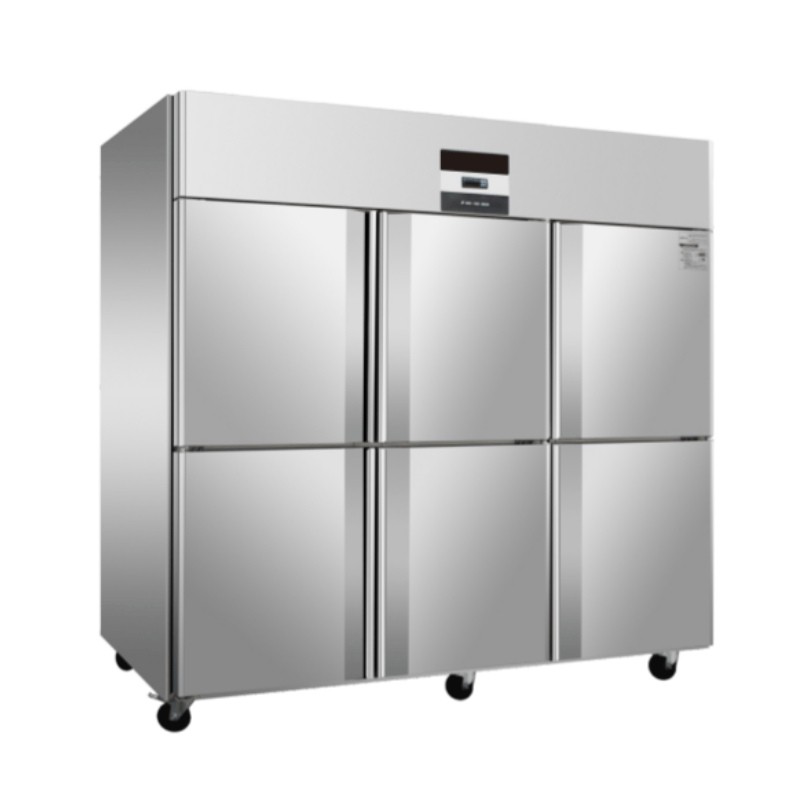
The design and specifications of the fast freezing cabinet itself are crucial. Look at the interior dimensions, the layout of the shelves or racks, and the airflow system. A well - designed cabinet with a proper airflow system can distribute cold air more evenly, allowing for a higher loading capacity without sacrificing freezing efficiency.
Some cabinets are designed with adjustable shelves, which can be customized according to the size of your products. This flexibility can increase the effective loading capacity. Additionally, consider the cooling capacity of the compressor and the insulation quality of the cabinet. A more powerful compressor can handle a larger load, and better insulation ensures that the cold air is retained, reducing energy loss during the freezing process.
5. Space constraints
The physical space where the fast freezing cabinet will be installed is another important factor. Make sure to measure the available space accurately, including the height, width, and depth. You need to ensure that the cabinet fits comfortably in the designated area and that there is enough clearance around it for proper ventilation.
If space is limited, you may need to opt for a cabinet with a smaller footprint but higher vertical loading capacity. Some cabinets are designed to be more space - efficient, such as vertical models with multiple tiers of shelves. However, be aware that a cramped cabinet may limit your ability to load items properly and may affect the overall freezing performance.
6. Future growth
It's also wise to consider your business's future growth when choosing the loading capacity of a fast freezing cabinet. If you anticipate an increase in production volume in the coming months or years, it may be more cost - effective to invest in a cabinet with a slightly larger capacity now than to replace a smaller one later.
This forward - thinking approach can save you the hassle and expense of purchasing a new cabinet in the near future. However, don't over - estimate your growth too much, as it can lead to unnecessary upfront costs and inefficient use of resources in the short term.
Comparing different types of fast freezing cabinets
There are various types of fast freezing cabinets available in the market, such as Commercial Blast Chillers and Rapid Cooling Freezers. Each type has its own characteristics and loading capacity ranges.
Commercial blast chillers are designed to rapidly reduce the temperature of food products, typically from 90°C to 3°C within 90 minutes. They are commonly used in restaurants, catering services, and food processing plants. These chillers usually have a relatively high loading capacity, but the specific capacity depends on the model and size.
Rapid cooling freezers, on the other hand, are more focused on quickly freezing products to a very low temperature. They are often used for freezing products that require long - term storage or for products that are sensitive to temperature changes. The loading capacity of rapid cooling freezers can vary widely, and they may be more suitable for operations with specific freezing requirements.
Conclusion
Determining the appropriate loading capacity for a fast freezing cabinet is a complex process that requires careful consideration of multiple factors. By taking into account the nature of the products, production volume, freezing time requirements, cabinet specifications, space constraints, and future growth, you can make an informed decision.
If you are in the process of choosing a fast freezing cabinet or need further advice on loading capacity, feel free to reach out to us. Our team of experts is ready to assist you in selecting the most suitable cabinet for your needs. We can provide detailed product information, answer your questions, and help you optimize your freezing operations. Contact us today to start a productive discussion about your fast freezing cabinet requirements.
References
- "Food Freezing Technology" by John T. Fellows.
- Industry standards and guidelines from relevant food safety and equipment associations.
- Manufacturer's product manuals and technical specifications for fast freezing cabinets.